
Why do we sometimes experience an emotional release during yoga? And what’s really happening beneath the surface?
B+G yoga teacher Katie Gibson explores the science and spirituality behind these moments, uncovering why movement, breath and stillness can sometimes bring unexpected emotions to the surface.
During my yoga teacher training, I cried a couple of times after practice. The first was after a hip opening focused class, I had barely rolled my mat up before I had to rush to the bathroom where a fountain of tears suddenly burst out of me. We were warned that hip opening postures can ‘cause a release of emotion’ so I thought nothing of it. Then later in the month, at the end of a practice, once again I felt tears beginning to slide down my cheeks as I lay in savasana. These moments have continued along with my practice, quite often they are happy tears too - no matter what it always feels like a good release. After it happened again this week during a yin class, I decided I wanted to find out exactly why yoga can unlock tears.
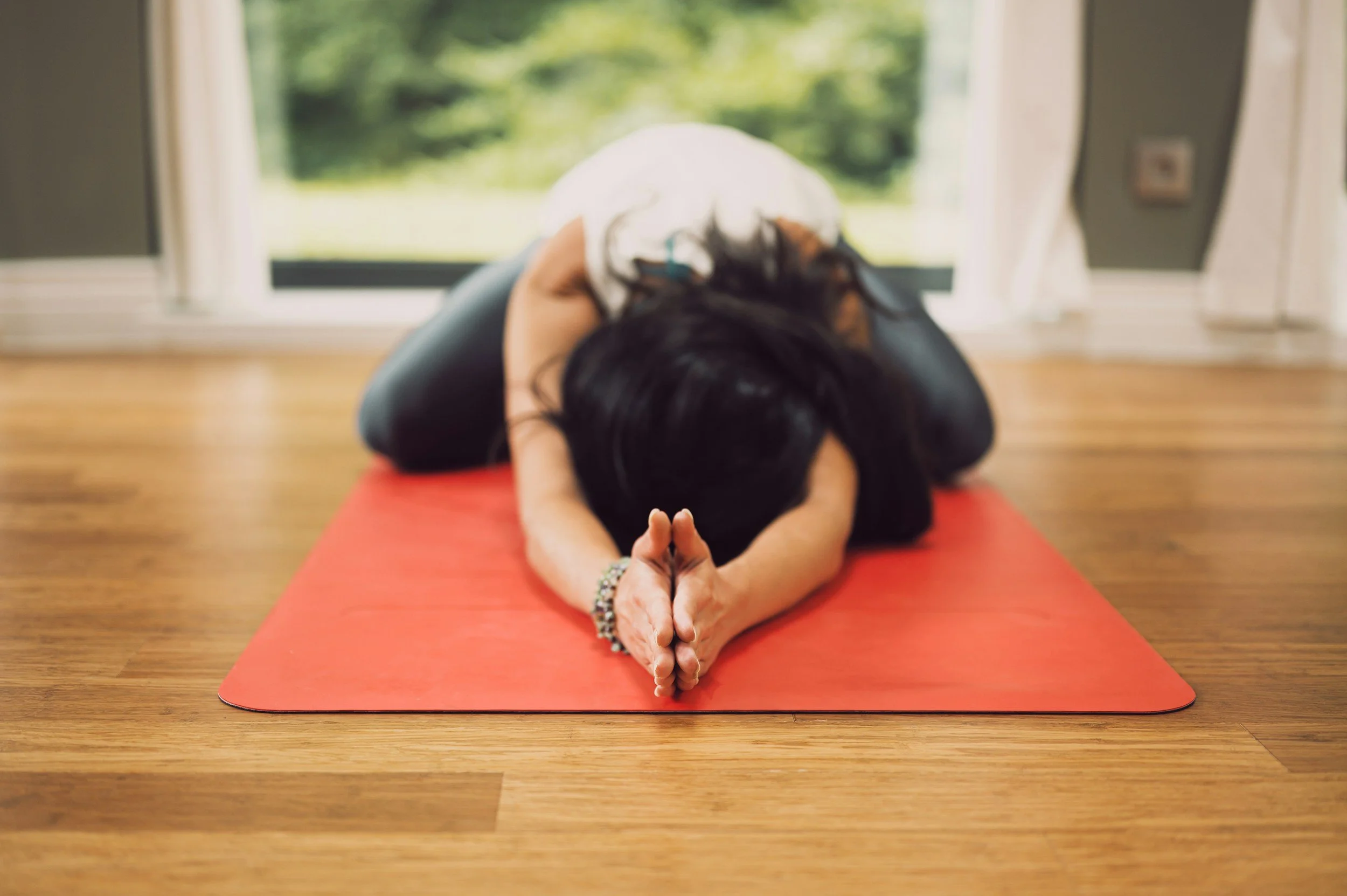

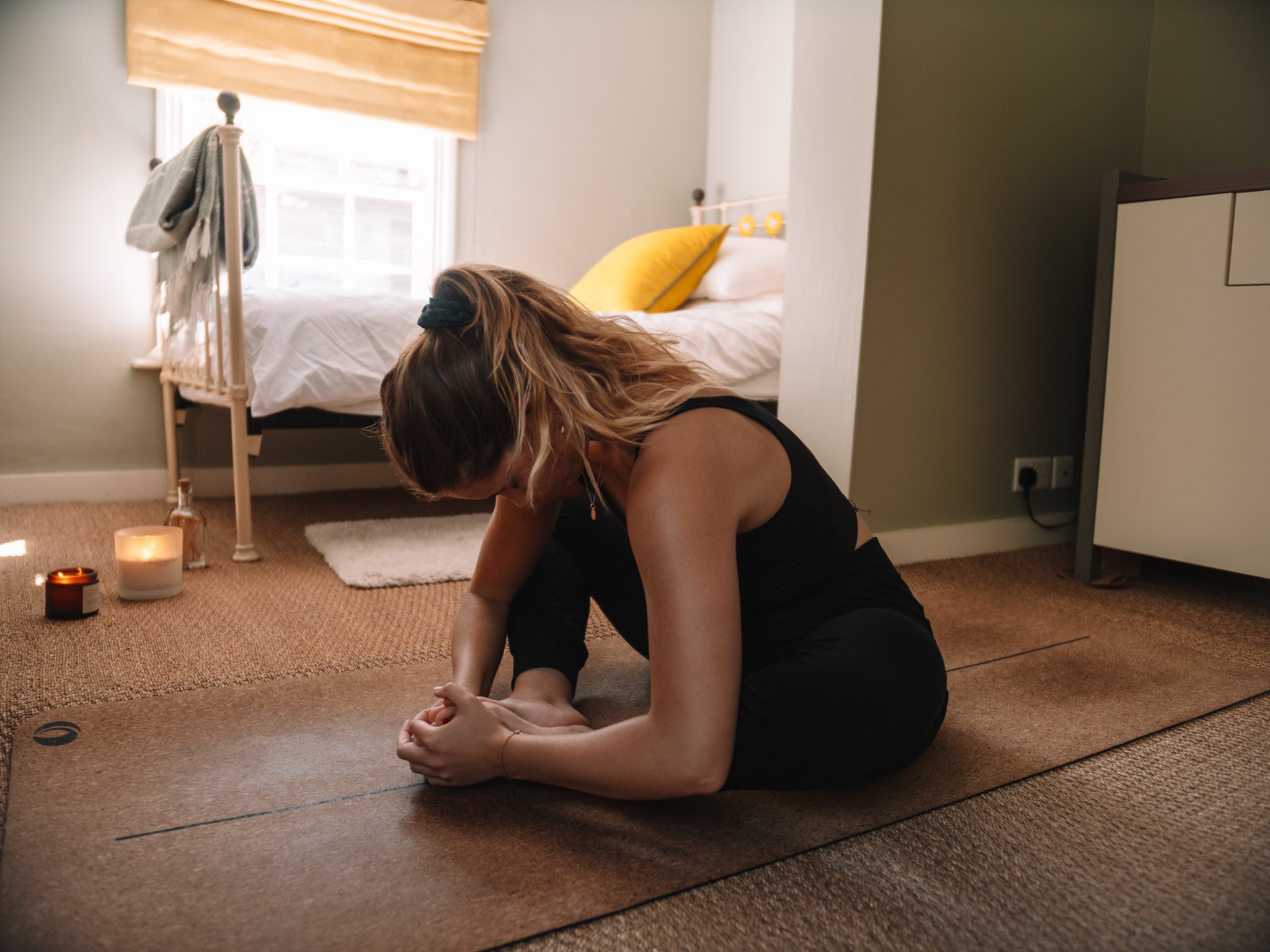
1. Yin Yoga
During this style of yoga, there are only 26 poses and you will typically cover a handful per class. This is because you hold each of the poses for between two to ten minutes followed by a rebound pose. During this time the fascia is pulled gently and slowly until you then lie down and it rebounds. This really allows for it to be flushed out and almost cleaned in a way, with this often comes a release. This is because sometimes when our bodies can’t process stress or heavy emotions, the nervous system will ‘brace’ and store tension in the fascia. Deep stretching can unlock these memories and allow us to release the emotions attached to them.
2. Qi Energy
According to East Asian tradition, Qi (life force energy) moves through our bodies in a number of energy channels called meridians. These can become ‘blocked’ but when stretching out tight areas, we can allow pent-up physical and energetic pressure to clear out. Of course, this makes sense - that the energy we are carrying around with us every day will be shifted as we move through a practice containing elements of mediation, breathwork and movement.

3. Breathing
A little more on this, sometimes our yoga practice is the only time we get in our days or weeks where we are actively aware of how we are breathing. Slow and Purposefully controlled breathwork practices stimulate the vagus nerve (the communication between the brain and the internal organs) which activates the parasympathetic nervous system. Basically, allowing us to drop out of the ‘flight or fight’ feeling and into a more relaxed and restful state. Such a shift can feel like a huge relief to the body and mind, often causing a release of emotion.
4. Sitting in discomfort
Sometimes when we’re in a yoga class, we’ll be asked to hold a pose which might feel slightly discomforting - especially hip openers. As humans we’re not used to having to sit with discomfort, we can so easily turn to our phones or busy lives to distract ourselves. So when we do sit with this sensation, we have to breathe and stay with it. Our bodies can begin to realise that they are safe even in discomfort and because of this, things that we’ve been holding may rise to the surface.

5. A safe space
This is just a personal feeling, but I believe being on my mat and in a yoga practice is my safe space. Unlike many other areas of my life, I do not have to hold space for other people, put on a brave face or rush around. Instead this practice is all about going inward. I am allowed to be vulnerable on my mat and I can let go enough to release emotions. It is funny because some people might not understand this especially as I’ve felt this feeling abroad in shalas I’ve never stepped foot in before, with new teachers and surrounded by strangers. However, that is how powerful the practice of yoga can be - it’s a safe space wherever and whenever.
So if you do feel tears during a yoga practice, know that it is perfectly natural and allow your body to release whatever emotion it needs to.